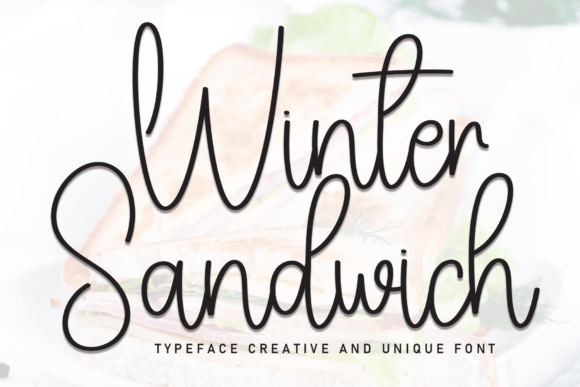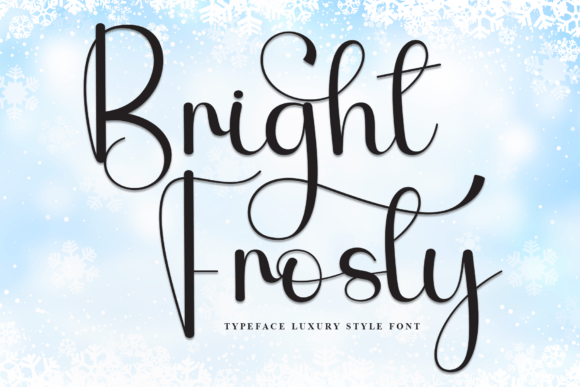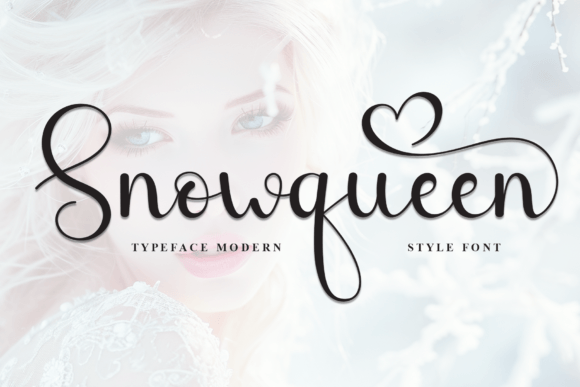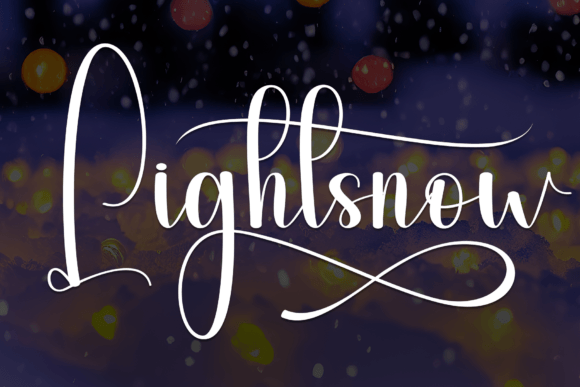
Darling Coffee: A Sweet, Handcrafted Script Font for Makers
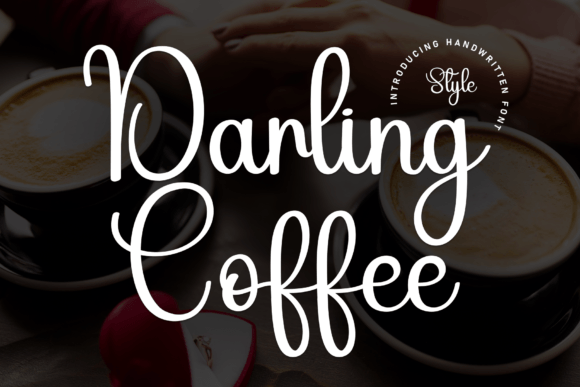
As someone who designs printable wedding suites, hand-labels jars of small-batch honey, and cuts vinyl decals for boutique gift shops, I know how much a font can shape the feeling—and sales—of a physical product. Darling Coffee isn’t just another script font. It’s a thoughtful, handcrafted typeface from the Script Amp category that balances charm with clarity, warmth with wearability. Its strokes flow like ink dipped in honey—soft but intentional, friendly but refined. You’ll feel it immediately when you type “Welcome” on a farmhouse-style chalkboard sign or “Est. 2024” on a ceramic mug label.
This is a display font built for impact, not paragraphs. Darling Coffee shines brightest in short, meaningful phrases: names on wedding place cards, shop names on kraft paper tags, “Hand Poured” on candle labels, or “Thank You” stamped across a thank-you card. Its natural rhythm and subtle bounce give handmade goods an approachable elegance—no stiff calligraphy, no overwrought flourishes. Just genuine sweetness, grounded in readability.
I’ve used Darling Coffee on everything from Cricut-cut acrylic keychains to Silhouette-cut iron-on transfers for linen napkins—and every time, it held up beautifully. For cutting machines, I recommend using the cleanest weight (usually the Regular or Bold) at 18–24pt minimum for stickers under 2 inches wide. On printed cards, it reads clearly even at 14pt for titles—just avoid setting full paragraphs in it. The font breathes best when paired with breathing room: generous letter spacing, ample margins, and intentional white space around each word.
For product packaging, Darling Coffee adds instant personality. Imagine it on a matte-finish tea box beside a minimalist sans serif for ingredients—say, Montserrat or Inter. That pairing creates hierarchy without competition: Darling Coffee says “handmade with care,” while the sans serif says “here’s what’s inside.” Same goes for greeting cards: use Darling Coffee for the sentiment (“You’re My Person”) and a soft serif like Playfair Display for the closing (“With love, Jess”). It’s this kind of intentional font pairing that makes your brand feel cohesive—not just pretty.
What really sets Darling Coffee apart in my studio is its versatility across seasons and scales. In spring, it softens a botanical-themed planner cover; in fall, it warms up a maple-syrup label alongside rustic woodgrain textures; at Christmas, it wraps gently around “Made With Love” on handmade ornament tags. I’ve even used it for wall art prints sold as digital downloads—clients love how it feels personal yet polished, like something sketched just for them.
It works especially well for wedding stationery where tone matters deeply. Not too formal, not too casual—just warm, sincere, and quietly elegant. I’ve layered Darling Coffee over watercolor backgrounds for save-the-dates, cut it from gold foil vinyl for ceremony programs, and embedded it into SVG files for clients who design their own invites in Design Space. Because it’s a premium font designed for real-world use, it includes thoughtful extras: alternate characters, ligatures for smoother connections (like “fi” or “fl”), and swashes for special accents—perfect for monograms or opening lines on invitation suites.
Readability stays strong across formats. On small product tags (think 1” x 2” cotton twine tags), I stick to all-caps or title case with slightly increased tracking. For printed cards, I always test a physical proof—Darling Coffee’s slight contrast between thick and thin strokes holds up well on uncoated paper, but can blur on low-DPI home printers, so I advise clients to use professional print services for final runs. And yes—it’s fully compatible with major design tools: Adobe Illustrator, Canva (uploaded as OTF), Cricut Design Space, and Silhouette Studio.
File-wise, you’ll typically get OTF and TTF formats, plus web-ready WOFF if you’re building a shop site or portfolio. While Darling Coffee doesn’t include extended Latin or Cyrillic support out of the box, its core character set covers English, Spanish, French, and German diacritics—enough for most boutique labels, greeting cards, and event stationery sold in North America and Western Europe.
Licensing is where many makers pause—and rightly so. Darling Coffee is a commercial font, meaning you *can* use it in products you sell: physical items (mugs, tote bags, stickers), digital downloads (printables, Canva templates, SVG bundles), and client work (like designing a logo for a local bakery). Just be sure your license permits both personal *and* commercial use—some versions are limited to one or the other. Never embed it in apps or resell the font file itself. When in doubt, check the license terms before listing your first Darling Coffee–powered printable on Etsy.
Finally, consider how Darling Coffee supports your brand identity beyond aesthetics. Fonts are silent brand ambassadors. When your candle label uses Darling Coffee, customers don’t just see “Lavender & Vanilla”—they feel calm, cared for, and personally invited in. That emotional resonance builds recognition faster than any logo alone. It’s why repeat buyers tell me, “I knew it was yours before I saw your shop name.” That’s the power of consistent, intentional typography—especially a script font as thoughtfully crafted as Darling Coffee.
If you're choosing fonts for physical products—not just social posts or web headers—you need more than beauty. You need reliability, legibility at scale, and licensing that matches your business model. Darling Coffee delivers all three. It’s the kind of typeface that makes your craft feel both handmade and highly considered—sweet, sincere, and ready for real work.